Saturday, May 19, 2012

the dog in garden by ableh

Posted by admin On October - 5 - 2010 ADD COMMENTS

post by ableh

This photograph is the result of my collections during the holidays to return home, I just take pictures of animals from those around me at that time, the photo above is a mongrel who guarded the garden from farmers in the village.

animal photography: gecko by ableh

Posted by admin On September - 23 - 2010 ADD COMMENTS

post by ableh

Gecko is the common name to describe a large lizard. There are several species of gecko, geckos but the term usually refer to the following types of house geckos.


Identification

Large lizards, big-headed. Total length reaches 340 mm, almost half of its tail.

Dorsal (back side) rough, with many large nodules. Blue-gray to brownish in color, with flecks of red brick to orange. Ventral (stomach, lower body side) blue-whitish-gray or yellowish. Tail rounded, with six lines of nodules; striped.

Toes front and rear equipped with suction pads called scansor, which is located on the underside of the finger. Point to stick on a slippery surface. So, from the upper side of the fingers geckos appear widened.

Tips Wildlife photography by ableh

Posted by admin On July - 6 - 2010 ADD COMMENTS

post by ableh

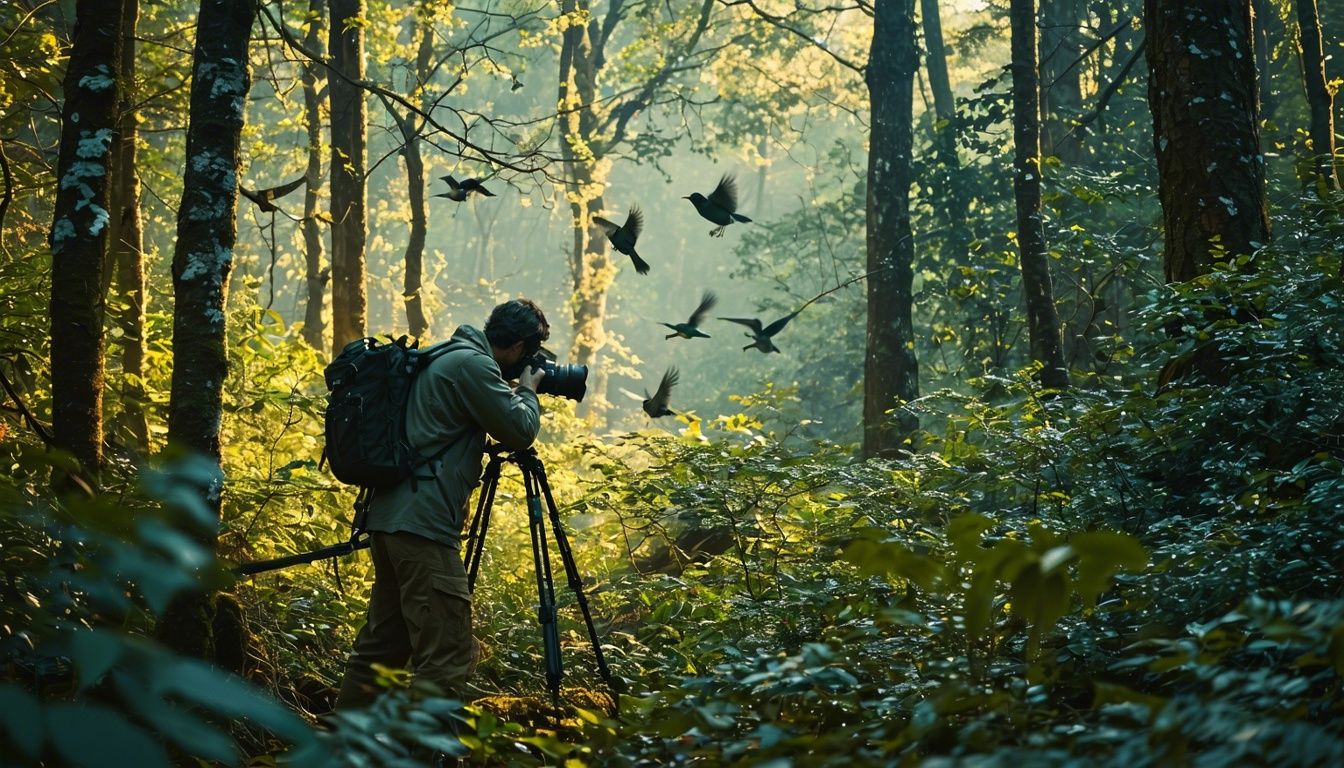
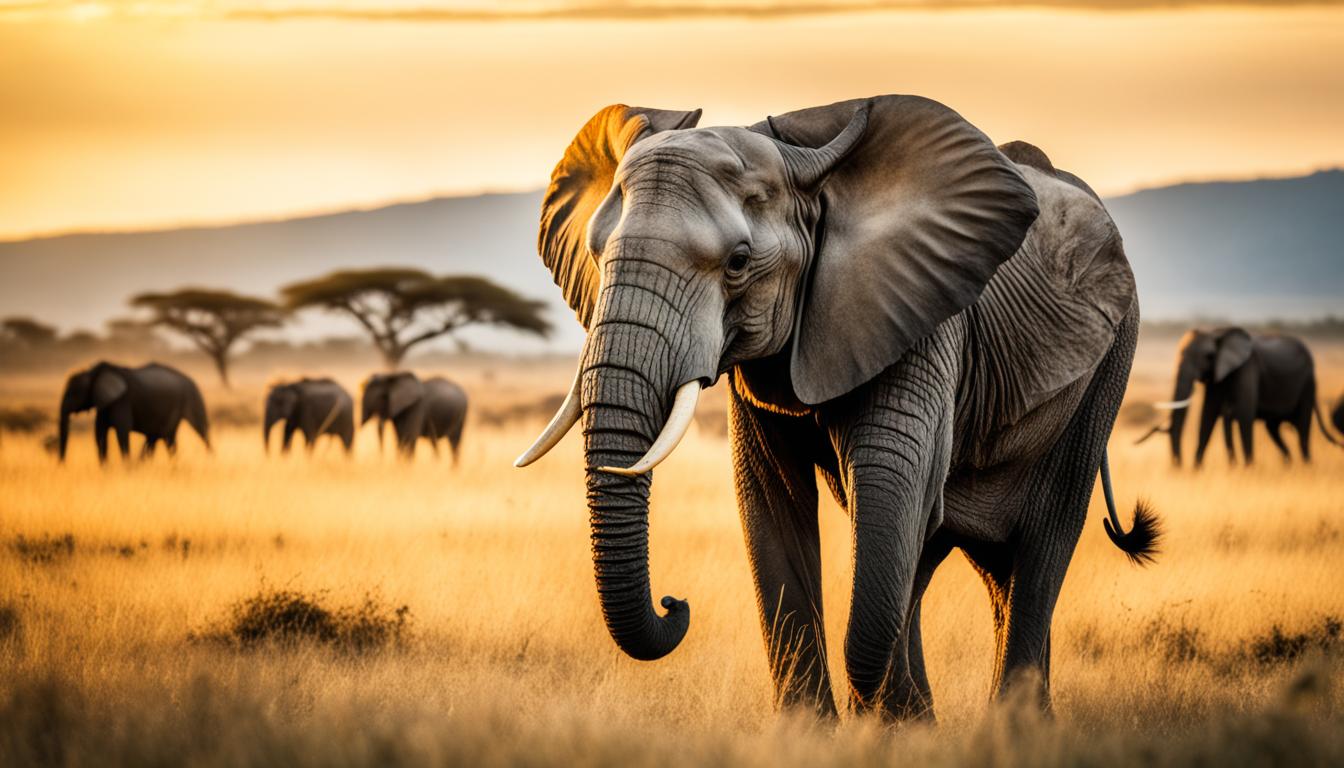
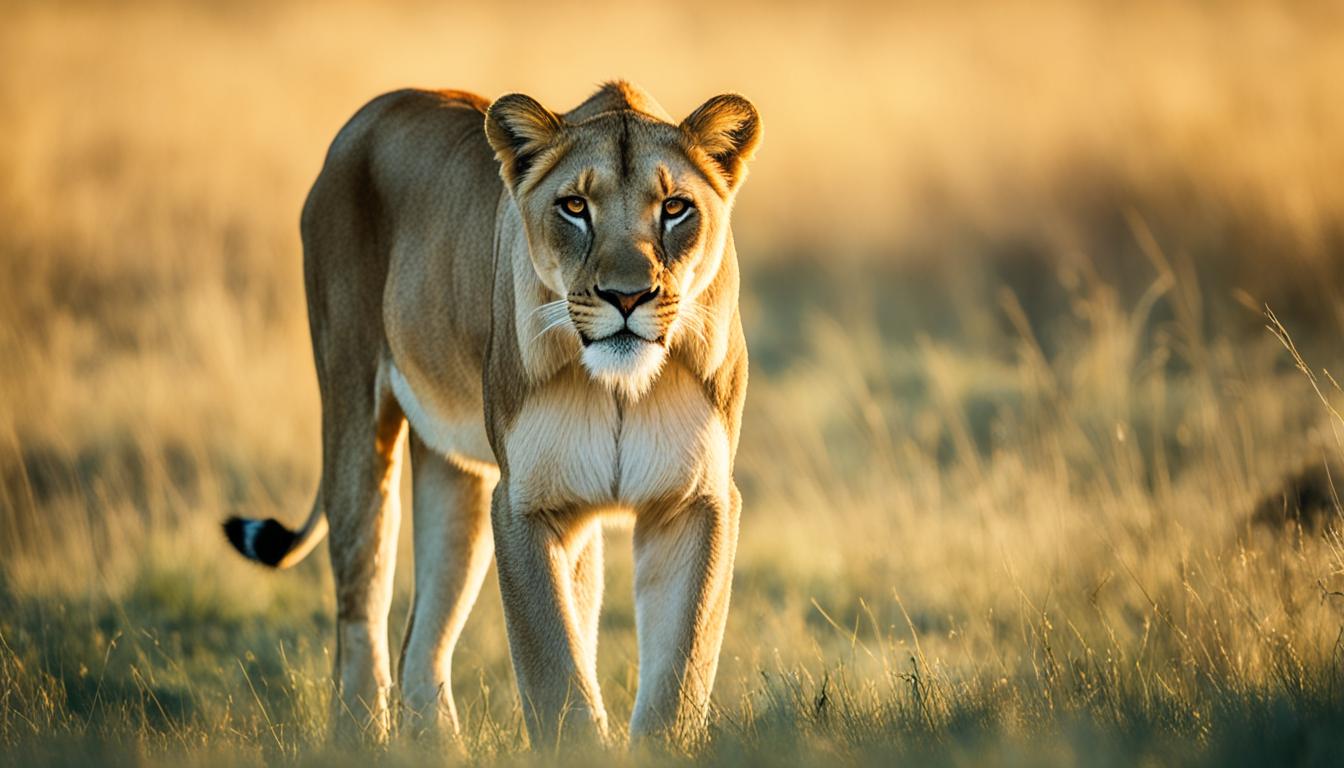
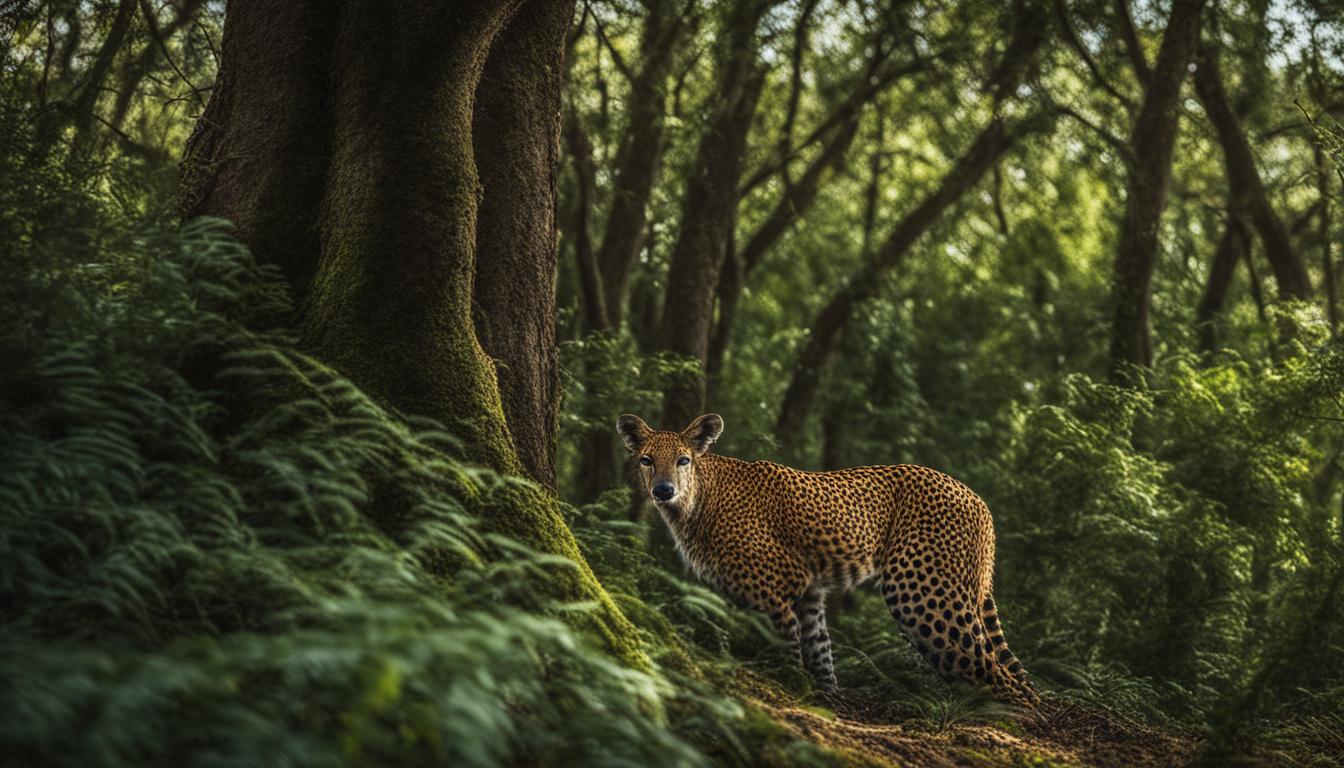
Wildlife photography, If only we could talk to animals before we start shooting them, then we can ask them what time they go hunting for food that day and have all our photographic equipment set up ready to go. Unfortunately, life is not like that, but, if you handle wildlife photography more seriously – perhaps even sell online digital picture - it really will pay you for taking the time and do research on the animal you intend to photograph. This can give a huge advantage that can lead to some spectacular pictures for your photography session wildlife.

Being in the right place at the right time, knowing the best time this year, along with the habits of animals‘, all can go to the picture an incredible and can be the difference between a sale or the dusty image. Experience plays a major role and all are part of the learning curve Wildlife Photography.


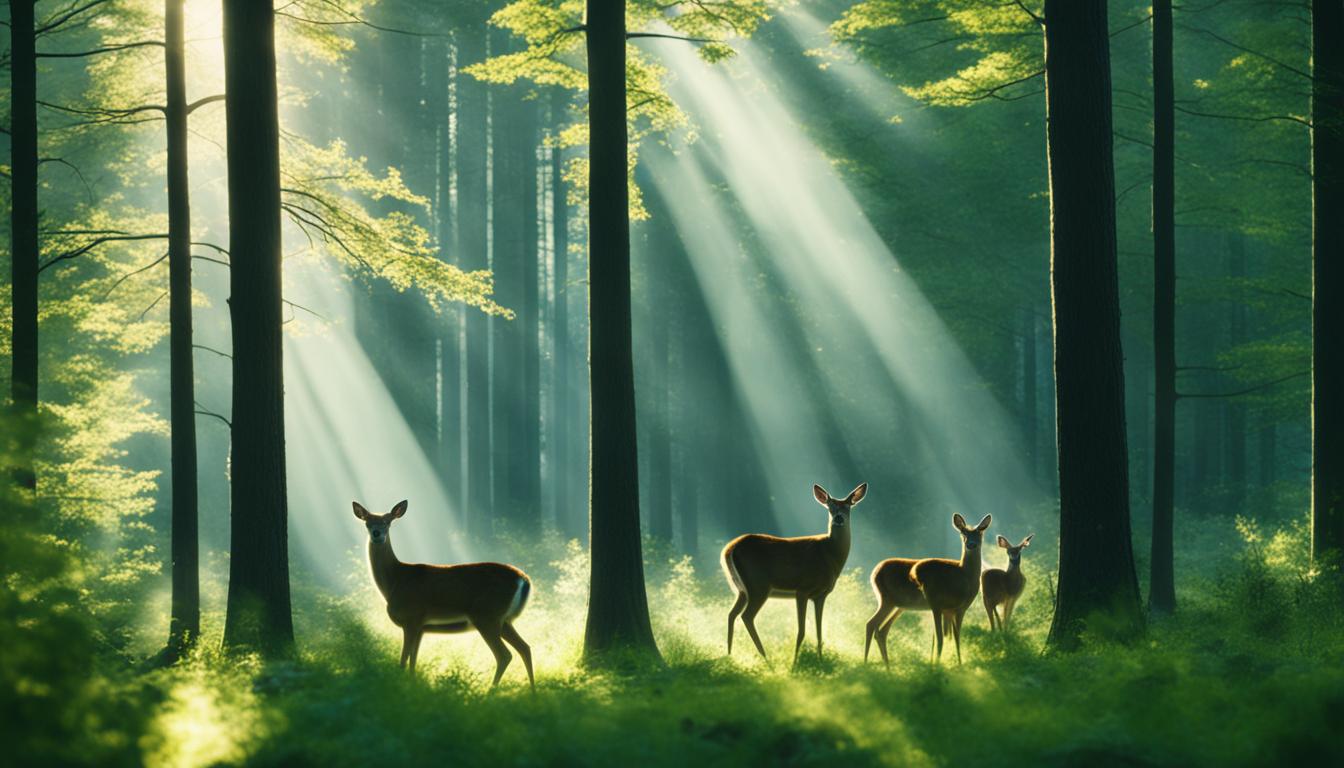
DANGER ZONE - Spending time in a particular area and the environment is always a good idea to Wildlife Photography, allowing you to finally be accepted. This can be done to great advantage with the deer. All animals will have their own safety zone, that invisible line called that, once crossed, it means that your chance to take pictures have been lost. But living at a distance from the deer and will encourage you in that area will eventually produce some outstanding images.

If you follow your wildlife on foot, and then try to wait until the meal before moving. If you look up at you, stop and allow the subject to relax and continue eating. If you are stalking an animal that has a good sense of smell, moving against the wind in the cross movement will be better for you and helps to give less of a threat to the animal.

PATIENCE - this can sometimes produce surprising results with your Wildlife Photography. Just sit quietly on the ground or nice and calm on the bench can often cause the animal to come closer to you. This can also work with photographing birds.

Photographing Insects by ableh

Posted by admin On July - 3 - 2010 ADD COMMENTS

post by ableh

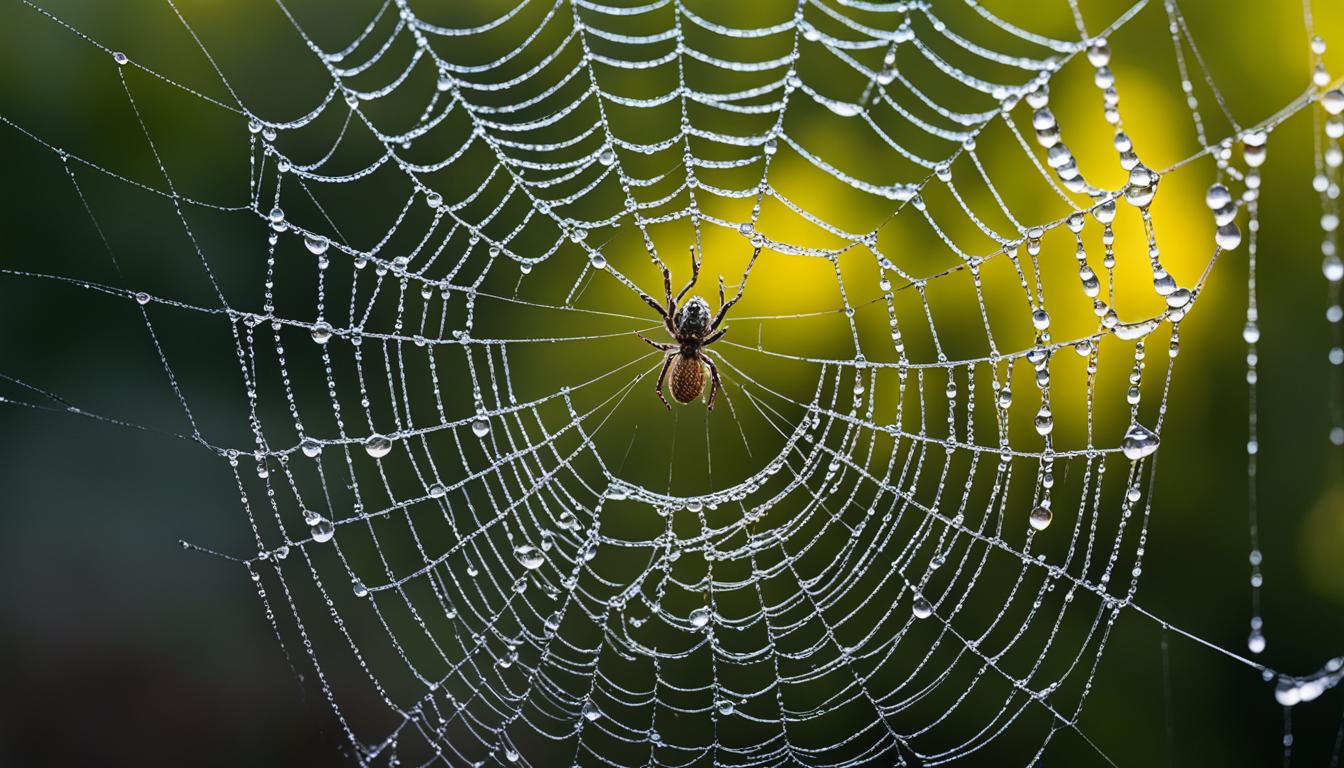
Wildlife photography is also included world of small insects. Honey bees, dragonflies, butterflies, bumblees, spiders and snails and even all the popular subjects.

Photographing insects can be tricky. Here are some tips from the pros to help:

-As with the larger wild animals, it helps to know the behavior patterns of your subject. Watch where the land of butterflies and see if they prefer one flower bush more than others. Then share it and wait for the subject to come to you. And ready!

-To get the best picture of the tiny creatures at the break, use macro mode and fill the frame. Your camera manual will tell you how close you are working macro mode. If you stay within an appropriate range and hold your camera steady, you’ll get a few, good fire to dry.

-You must use the sports mode or the flash to freeze the action unless the insect is sitting still.

Most insects are very sensitive to carbon dioxide and will walk or fly if you breathe directly on them. So, when you lean in close to your close-up, hold my breath! However, there are some insects such as beetles will freeze when you breath on them.

-Keep in mind a few insects and spiders strong pack, even a deadly poison, so know the bug you before approaching.

-Try to take pictures in the morning or evening because cold temperatures slow the insects and will make it easier to take pictures. Insects can see shadows very well, so that no approach from the same direction as the light casts.

Wildlife photos can create beautiful art, the kind who would you want to frame and proudly display and give as gifts. You can also use pictures of animals or insects in handicrafts such as photo calendars or greeting cards. There are quite a lot of wonderful things you can do with your beautiful animals and pictures of insects, so have fun capturing the wonderful world of nature.

Photographer Richard Kendall light paintings

Upon his return from a 3-month excursion filming in China, photographer Richard Kendall decided it was time to get back [...]

The high speed photography is capturing objects in motion

The goal of the high speed photography is capturing objects in motion. You can photograph events that follow a predictable [...]

Drawing vs Photography or Imagination vs Reality

Today we are listing pencil drawings incredibly creative and amazing photography work vs. Ben Heine from Belgium, who is a [...]

Portrait photoshoot tips

Now there is of course always a time and place for posed shots, the family picture at a wedding for [...]


?>